

Expansion of Smart Gas Stations in Nigeria:
What Changes Are Taking Place in Africa's Fuel Dispenser Market?
On September 10, 2026, NNPC Retail, a subsidiary of Nigeria National Petroleum Company Limited (NNPC Ltd.), launched a new Smart Self-Service Station in Abuja. This station operates on a 24-hour self-service model, integrating traditional fuel refueling with functions such as electric vehicle charging, LPG, car services, and digital payment.
What is more noteworthy is that NNPC stated that they plan to deploy approximately 50-70 smart self-service stations in Nigeria over the next six months, promoting the transformation of traditional fuel stations into more comprehensive energy and transportation service centers.
This change not only indicates that the operating model of Nigerian gas stations is undergoing a transformation, but may also bring new demands for fuel dispensers, digital fueling equipment, self-service fueling systems, and fuel management equipment in the future African market.

Why did Nigeria start building Smart Fuel Stations?
The core functions of traditional gas stations merely involve storing fuel, delivering fuel, measuring, and refueling. However, the new Smart Fuel Station is attempting to expand this model into:
Fuel + Digital Payment + EV Charging + LPG + Vehicle Services + Convenience
The intelligent station launched by NNPC Retail in Abuja this time adopts a 24-hour self-service refueling model. Customers can choose the amount of fuel they need by themselves and complete the transaction through a digital system.
According to the official information released by NNPC, this station is equipped with 16 gasoline pumps and 2 diesel pumps. The gasoline storage capacity is 180,000 liters, and it is also equipped with electric vehicle charging facilities, LPG services, lubricant service areas, and automatic car washing facilities. The station also has more than 200 kW of solar power generation capacity.
From the traditional "gas station" to a comprehensive "energy and transportation service center", this model reflects that the Nigerian fuel retail industry is trying to meet the new consumer demands.
Personal Speculations on the Future of Gas Stations in Africa
The author personally believes that with the advancement of technology, traditional fuel stations will gradually be replaced by more convenient smart gas stations. Through membership cards, mobile phone payments, and self-service gas stations, they will gradually emerge like bamboo shoots after a spring rain. As it develops, we will even have completed online payments at the corresponding gas station before arriving at it, and after reaching the gas station, we only need to scan the code.
From Traditional Gas Stations to Smart Energy Hubs
In the past, consumers went to gas stations just to fill up their tanks. But modern gas stations are now offering more services. For instance, the smart stations launched by NNPC this time involve:
Petrol, Diesel, LPG, EV Charging, Lubricants, Car Wash, Digital Payment, Convenience Services
This means that in the future, the core competitiveness of some gas stations may no longer be simply "whether there is fuel", but rather fueling efficiency, payment convenience, fuel types, digitalization level, and the number of comprehensive services they can provide. NNPC describes this model as a transition from traditional filling stations to energy hubs, and they state that they plan to continue promoting this model.
Different African markets may require different fuel dispensers.
It should be noted that although Nigeria is promoting Smart Fuel Stations, this does not mean that all African countries will adopt exactly the same fuel station model. The African market shows significant regional differences. For example:
The differences include varying sizes of commercial gas stations, different types of vehicles, varying demands for diesel and gasoline, different power conditions, different regulations for fuel equipment, different payment methods, different levels of automation in gas stations, and different purchasing patterns for distributors and end customers, among other similar reasons.
Therefore, for fuel equipment manufacturers, a more realistic approach is not to provide completely fixed equipment, but to configure it according to local projects.
Key considerations for African fuel dispenser buyers
One of the main differences between intelligent refueling and traditional manual refueling is that consumers need to interact directly with the equipment. This means that the equipment not only needs to complete the fuel delivery but also needs to enable customers to clearly:
Select → Pay → Refuel → Check quantity → Complete transaction
Therefore, the stability of the equipment, display clarity, automatic shutdown function of the fuel nozzle, measurement accuracy, and emergency stop function are all very important.
For gas station operators, if the equipment frequently breaks down, it not only affects the customer experience but may also result in some fueling positions being unusable.
Therefore, as the African Colombia market begins to explore more digital fuel retail models, local African purchasers should also pay close attention to the reliability and maintenance convenience of the Fuel Dispenser.
LEADER ENERGY: Provides customized fuel dispensers for various projects.
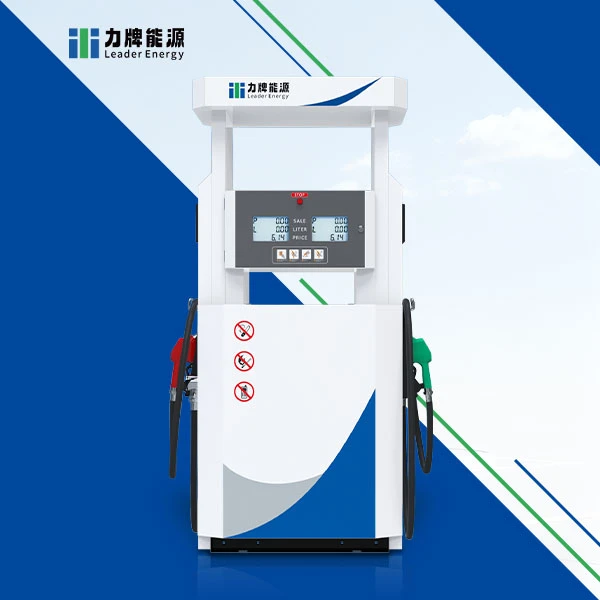
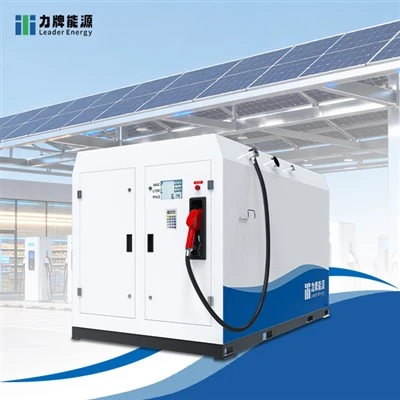
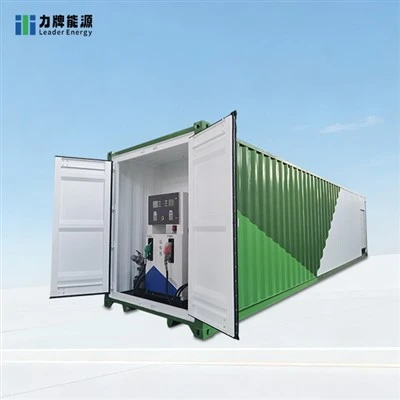
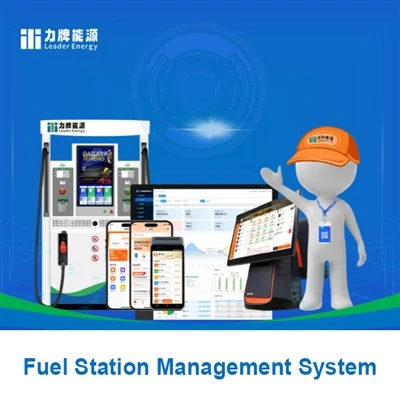
As a Chinese fuel equipment manufacturer, LEADER ENERGY not only focuses on the production of standardized fuel dispensers, but also strives to meet the specific customized requirements of different countries and projects. Whether you need traditional fuel dispensers, intelligent fuel dispensers, or management systems, LEADER ENERGY can provide tailor-made solutions for your gas station projects.