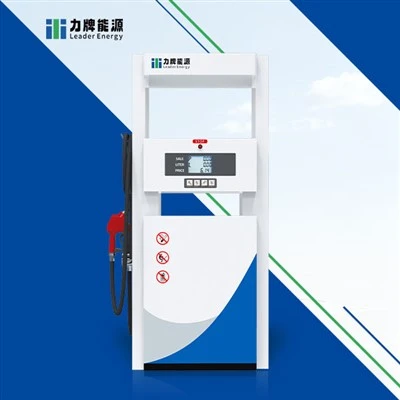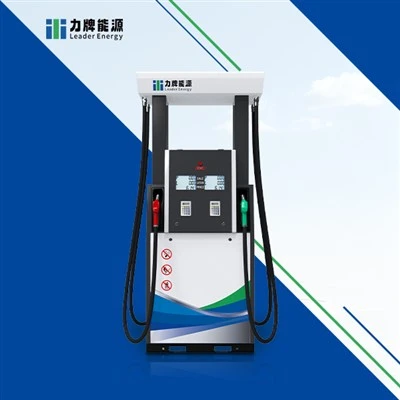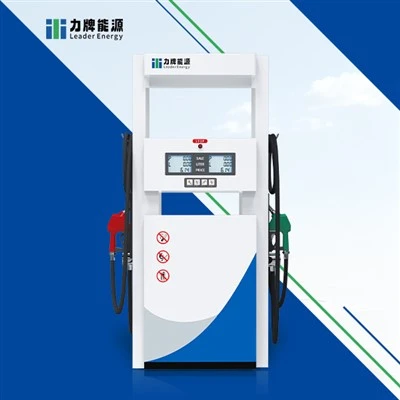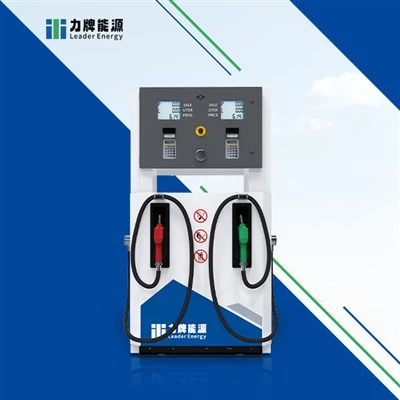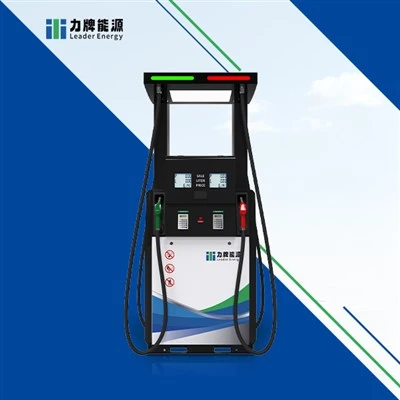


Hey there! I'm a supplier of fuel dispensers, and today I wanna talk about how these nifty machines deal with static electricity. It might seem like a small thing, but static electricity can be a real pain in the neck when it comes to fuel dispensers. If not handled properly, it can lead to some serious safety hazards, like fires or explosions. So, let's dive into how we keep things safe and sound.
What's Static Electricity Anyway?
First off, let's get a quick rundown on static electricity. You know when you shuffle your feet on the carpet and then touch a doorknob, and you get that little shock? That's static electricity. It's basically an imbalance of electric charges within or on the surface of a material. When two materials come into contact and then separate, electrons can transfer from one material to the other, creating a charge difference.
In the case of fuel dispensers, static electricity can build up in a few ways. For example, as fuel flows through the dispenser's pipes and hoses, it can rub against the inner surfaces, causing electrons to transfer and creating a static charge. Also, when the fuel is being dispensed into a vehicle's tank, there can be friction between the fuel and the tank walls, which can also generate static electricity.
Why is Static Electricity a Problem for Fuel Dispensers?
The big problem with static electricity around fuel is that it can cause a spark. And when you've got flammable fuel vapors around, a spark can spell disaster. A single spark can ignite the fuel vapors, leading to a fire or even an explosion. That's why it's super important to make sure that fuel dispensers are designed and operated in a way that minimizes the risk of static electricity buildup and discharge.
How Fuel Dispensers Deal with Static Electricity
Grounding
One of the most basic and important ways that fuel dispensers deal with static electricity is through grounding. Grounding is all about providing a path for the static charge to flow safely into the ground. Think of it like a safety valve for electricity.
Most fuel dispensers are connected to a grounding system. This usually involves a wire that runs from the dispenser to a metal rod or plate that's buried in the ground. The grounding wire acts as a conductor, allowing any static charge that builds up on the dispenser to flow harmlessly into the ground instead of building up and potentially causing a spark.
At our company, we make sure that all of our Gas Station Equipment is properly grounded. We use high-quality grounding wires and connections to ensure that the static charge can flow freely. And we also regularly inspect and test the grounding system to make sure it's working effectively.
Anti-Static Materials
Another way to deal with static electricity is by using anti-static materials in the construction of the fuel dispenser. These materials are designed to reduce the buildup of static charge by allowing electrons to move more freely.
For example, the hoses and nozzles of fuel dispensers are often made from anti-static rubber or plastic. These materials have special additives that help to dissipate static charge. The inner surface of the hoses is also usually smooth to reduce friction between the fuel and the hose, which can further minimize the generation of static electricity.
Our Electric Fuel Dispenser Pump and Gas Station Pump are equipped with anti-static hoses and nozzles. We source these components from reliable suppliers and make sure they meet the highest standards for anti-static performance.
Static Eliminators
Some fuel dispensers also use static eliminators to neutralize the static charge. These are devices that emit ions, which are charged particles. The ions can attach to the static charges on the fuel or the dispenser, neutralizing them and reducing the risk of a spark.
Static eliminators can be installed at various points in the fuel dispenser system, such as near the nozzle or in the fuel storage tank. They can be either passive or active. Passive static eliminators rely on the natural flow of air to distribute the ions, while active static eliminators use a fan or other mechanism to blow the ions into the area where the static charge is present.
We offer Filling Station Equipment that can be equipped with static eliminators as an optional extra. This gives our customers the flexibility to choose the level of static protection that's right for their needs.
Operating Procedures
It's not just about the hardware of the fuel dispenser. Proper operating procedures are also crucial for dealing with static electricity. For example, when refueling a vehicle, it's important to keep the nozzle in contact with the tank opening at all times. This helps to prevent the buildup of static charge between the nozzle and the tank.
Customers should also be advised not to re-enter their vehicle while refueling. When a person gets in and out of a vehicle, they can build up a static charge on their body. If they then touch the fuel nozzle, the static charge can discharge and potentially cause a spark.
At our company, we provide training and guidelines to our customers on how to use our Fuel Oil Dispenser safely. We make sure that they understand the importance of following the proper operating procedures to minimize the risk of static electricity-related incidents.
Conclusion
Dealing with static electricity is a critical part of ensuring the safety of fuel dispensers. By using grounding, anti-static materials, static eliminators, and proper operating procedures, we can significantly reduce the risk of fires and explosions caused by static electricity.
If you're in the market for high-quality fuel dispensers that are designed to handle static electricity safely and effectively, look no further. We're here to provide you with the best Gas Station Equipment and support. Whether you need a single dispenser for a small filling station or a whole fleet of Electric Fuel Dispenser Pump for a large gas station, we've got you covered.
Don't hesitate to reach out to us if you have any questions or if you're interested in discussing your procurement needs. We're always happy to have a chat and help you find the right solutions for your business.


References
- Perry, R. H., & Green, D. W. (1997). Perry's Chemical Engineers' Handbook. McGraw-Hill.
- NFPA 77: Recommended Practice on Static Electricity. National Fire Protection Association.