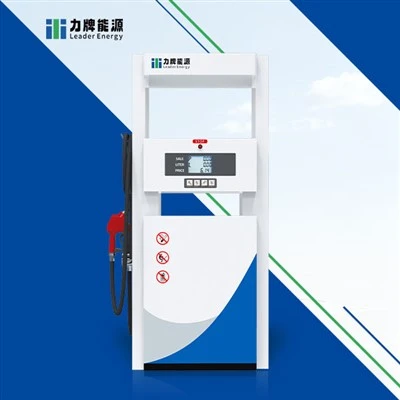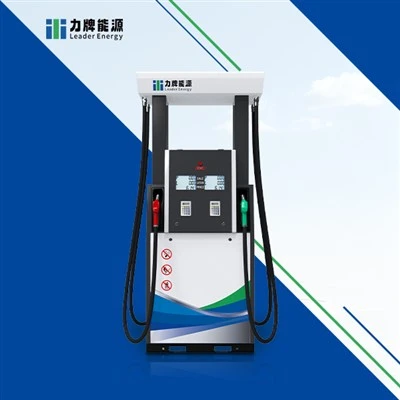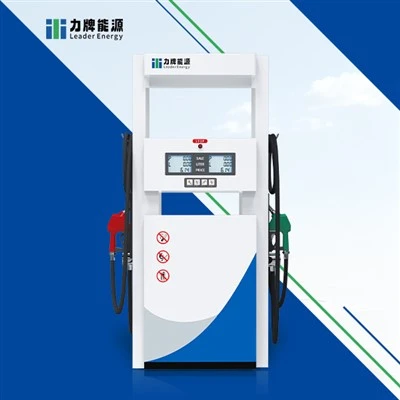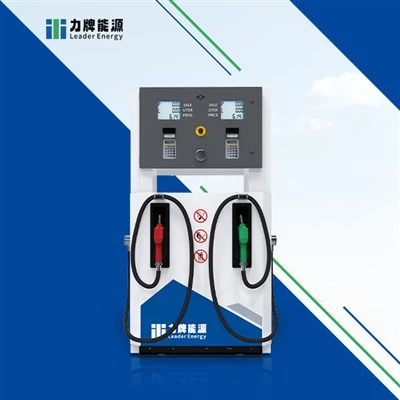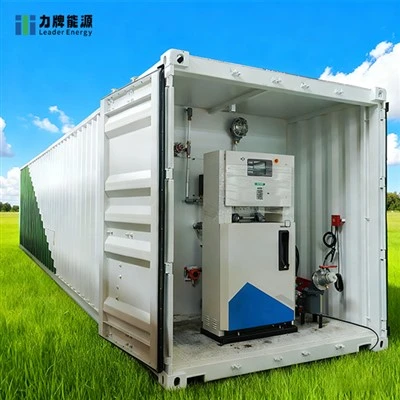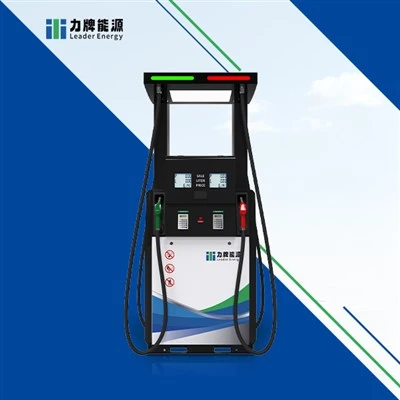


The flow rate of fuel pump equipment plays a crucial role in the efficiency and functionality of fuel dispensing systems. As a leading supplier of Fuel Pump Equipment, we understand the significance of this parameter and how it impacts various applications, from small-scale fueling stations to large commercial operations.
Understanding Flow Rate
Flow rate refers to the volume of fuel that a fuel pump can deliver within a specific period, typically measured in liters per minute (LPM) or gallons per minute (GPM). This metric is essential as it determines how quickly a vehicle or storage tank can be filled with fuel. Different fueling scenarios require different flow rates based on factors such as the type of fuel, the size of the fueling apparatus, and the intended use.
For instance, in a fast - paced commercial fueling station, a high flow rate is necessary to serve multiple vehicles quickly and reduce waiting times. On the other hand, in a more specialized or low - volume application, a lower flow rate might be sufficient and more cost - effective.
Factors Affecting Flow Rate
Pump Design
The design of the fuel pump is one of the primary factors influencing its flow rate. Positive displacement pumps, such as diaphragm pumps and gear pumps, work by trapping a fixed amount of fluid and then forcing it through the outlet. These pumps can provide a relatively constant flow rate regardless of the pressure, making them suitable for applications where a steady supply of fuel is required.
Centrifugal pumps, on the other hand, rely on the rotation of an impeller to create a flow of fluid. They are generally capable of delivering higher flow rates but are more sensitive to changes in pressure and viscosity.
Fuel Viscosity
The viscosity of the fuel also has a significant impact on the flow rate. Viscosity refers to the resistance of a fluid to flow. Fuels with higher viscosity, such as some heavy - duty diesel fuels, flow more slowly than those with lower viscosity, like gasoline. When a fuel pump is designed to handle a specific range of viscosities, using a fuel outside this range can result in a reduced flow rate and potentially affect the performance of the pump.
Pipe Diameter and Length
The diameter and length of the pipes used in the fueling system can affect the flow rate. A larger pipe diameter allows for a greater volume of fuel to pass through, reducing resistance and increasing the flow rate. Conversely, a longer pipe increases the resistance to flow, which can lead to a decrease in the flow rate. Therefore, when designing a fueling system, it is important to carefully consider the pipe specifications to optimize the flow rate.
Pressure
The pressure within the fuel system is another critical factor. Higher pressure can force the fuel through the pump and pipes more quickly, increasing the flow rate. However, there are limits to how much pressure a pump can handle safely. Excessive pressure can cause damage to the pump components and lead to leaks or malfunctions. Therefore, it is essential to maintain a proper balance between pressure and flow rate.
Flow Rate Requirements for Different Applications
Petrol Stations
In Petrol Station Equipment, high flow rates are typically required to serve a large number of vehicles efficiently. A typical fuel pump at a petrol station may have a flow rate ranging from 40 to 80 LPM (10 - 20 GPM) for gasoline and 50 to 100 LPM (13 - 26 GPM) for diesel. This allows for quick refueling, especially during peak hours.
Moreover, the advent of Self Service Fuel Dispenser has further emphasized the need for reliable and efficient flow rates. Customers expect a fast and seamless refueling experience, and a proper flow rate is essential to meet these expectations.
Commercial Fueling Operations
Commercial fueling operations, such as those serving large fleets of trucks or construction equipment, often require even higher flow rates. These operations deal with larger fuel tanks and need to fill them quickly to minimize downtime. A high - capacity Commercial Fuel Dispenser may have a flow rate of 100 to 200 LPM (26 - 53 GPM) or more, depending on the specific requirements.
Industrial and Marine Applications
In industrial and marine applications, the flow rate requirements can vary widely. For example, in a manufacturing plant that uses fuel - powered machinery, the fuel pump may need to deliver fuel at a relatively low and constant flow rate to ensure the smooth operation of the equipment. In contrast, a large cargo ship may require a high - flow fuel pump to fill its massive fuel tanks efficiently.


Selecting the Right Fuel Pump Based on Flow Rate
When choosing a fuel pump, it is crucial to accurately assess the flow rate requirements of your specific application. Here are some steps to guide you:
Determine the Fueling Volume
Calculate the average volume of fuel that needs to be dispensed per refueling session. This will give you an idea of the minimum flow rate required to complete the refueling within a reasonable time frame.
Consider the Peak Demand
In addition to the average fueling volume, consider the peak demand periods. For example, a petrol station may experience a high influx of customers during rush hours. Select a fuel pump that can handle the peak flow rate requirements to avoid long waiting times for customers.
Evaluate the System Compatibility
Ensure that the fuel pump is compatible with the other components of your fueling system, such as the pipes, valves, and filters. A mismatch in the flow rate capabilities of these components can lead to inefficiencies and potential damage to the system.
Our Offerings
As a Fuel Pump Equipment supplier, we offer a wide range of fuel pumps with different flow rates to meet the diverse needs of our customers. Our pumps are designed and manufactured to the highest standards, ensuring reliability, durability, and optimal performance.
Whether you are in need of a Diesel Filling Machine for a small - scale fueling station or a high - capacity Filling Station Petrol Pump for a large commercial operation, we have the right solution for you. Our team of experts is always available to assist you in selecting the most suitable fuel pump based on your specific flow rate requirements and other application details.
Contact Us for Procurement
If you are in the market for high - quality fuel pump equipment and want to discuss your flow rate requirements or any other aspects of our products, we encourage you to reach out to us. Our dedicated sales team is ready to provide you with detailed information, product specifications, and pricing quotes. Start a conversation with us and let us help you find the perfect fuel pump solution for your business.
References
- DOE, Fuel Efficiency Regulations and Standards, 2023
- SAE International, Handbook on Automotive Fuel Systems, 2022
- API, Standards for Petroleum Equipment and Fueling Systems, 2021