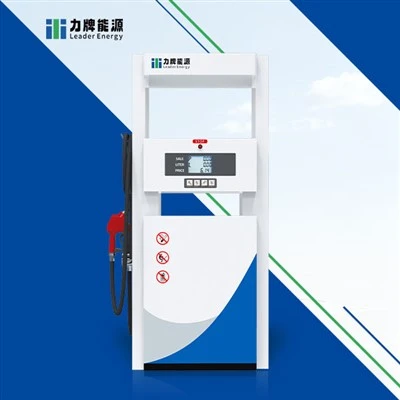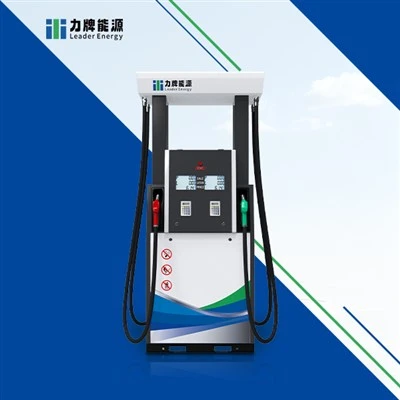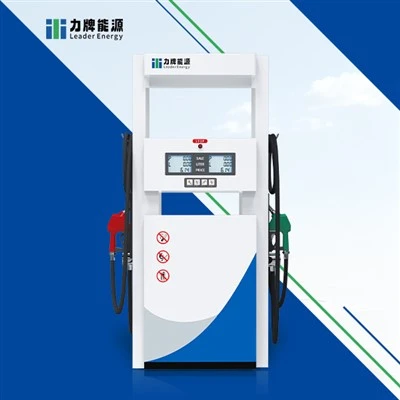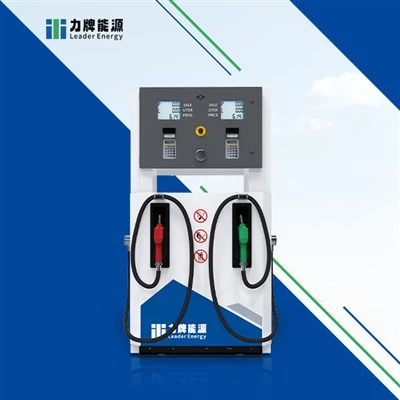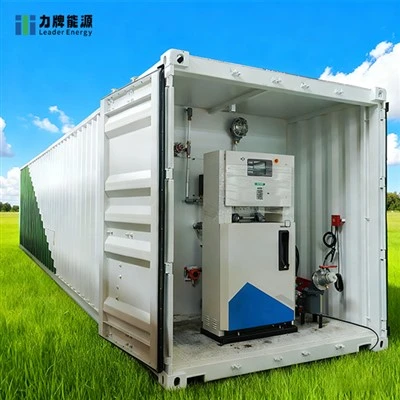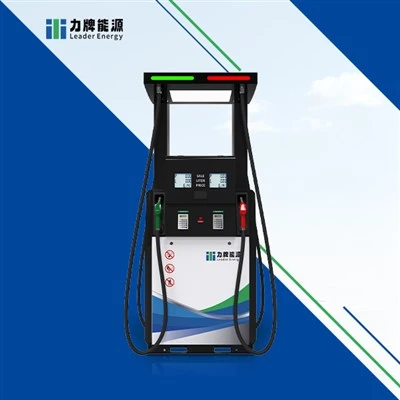


Yo, fuel industry folks! I'm stoked to be here as a fuel filling machine supplier, ready to break down the main components of these bad boys. Whether you're running a small gas station or a big fuel depot, understanding what makes these machines tick is crucial. So, let's dive right in!
1. Pump
The pump is like the heart of the fuel filling machine. It's the component that moves the fuel from the storage tank to the dispenser nozzle. There are different types of pumps used in fuel filling systems. For example, centrifugal pumps are commonly used because they're efficient at moving large volumes of fuel. They work by using an impeller to create a centrifugal force that pushes the fuel out of the pump and into the piping system.
Another type is the positive displacement pump. This kind of pump is great for more accurate fuel metering. It works by trapping a fixed amount of fuel and then forcing it into the dispenser. Positive displacement pumps are often used in applications where precise fuel delivery is needed, like in aviation fueling or high - end automotive filling stations.
If you're in the market for a high - quality pump, check out our Electric Fuel Dispenser Pump. It's reliable, efficient, and built to last.
2. Meter
The meter is what tells you how much fuel you're actually dispensing. It measures the volume of fuel that passes through the dispenser. There are two main types of meters: mechanical and electronic.
Mechanical meters have been around for a long time. They use gears and other mechanical components to measure the fuel flow. They're fairly simple and reliable, but they might not be as accurate as electronic meters, especially when it comes to measuring small amounts of fuel.
Electronic meters, on the other hand, use sensors and microprocessors to measure the fuel flow. They can provide very accurate readings, and they also have the advantage of being able to communicate with other parts of the fuel filling system, like the point - of - sale system. This allows for seamless integration and better management of the fueling process.
3. Hose and Nozzle
The hose is what connects the dispenser to the vehicle's fuel tank. It needs to be flexible, durable, and able to withstand the pressure of the fuel flowing through it. The length of the hose is also an important consideration, as it needs to be long enough to reach different types of vehicles.
The nozzle is the part of the machine that actually dispenses the fuel into the vehicle. It has a trigger that the operator uses to start and stop the fuel flow. Modern nozzles often come with safety features, like an automatic shut - off mechanism. This mechanism stops the fuel flow when the tank is full, preventing spills and overfilling.
We offer a wide range of hoses and nozzles that are designed to meet the highest standards of quality and safety. And if you're interested in upgrading your petrol station equipment, take a look at our Petrol Station Equipment page.
4. Control Panel
The control panel is the brain of the fuel filling machine. It allows the operator to control various functions of the dispenser, such as the fuel type, the amount of fuel to be dispensed, and the payment options.


Most modern control panels are touch - screen based, which makes them easy to use. They also have built - in diagnostic systems that can detect problems with the machine, like a malfunctioning pump or a clogged filter. This helps in quick troubleshooting and reduces downtime.
5. Filter
The filter is an important component that ensures the quality of the fuel being dispensed. It removes impurities, like dirt, rust, and water, from the fuel before it reaches the nozzle. A clean fuel supply is essential for the proper functioning of the vehicle's engine.
There are different types of filters used in fuel filling machines, including particulate filters and water - separating filters. Particulate filters are designed to trap solid particles, while water - separating filters remove water from the fuel. Regular maintenance of the filters is crucial to ensure optimal performance of the fuel filling machine.
6. Pricing and Payment System
In today's fueling stations, a proper pricing and payment system is a must. The pricing system allows the station owner to set different prices for different types of fuel. This can be adjusted based on market conditions, like the cost of crude oil or local taxes.
The payment system is what enables customers to pay for the fuel. There are various payment options available, such as cash, credit cards, debit cards, and mobile payments. The payment system needs to be secure and reliable to protect the customer's financial information.
Our Smart Petrol Pump comes with a state - of - the - art pricing and payment system that offers a seamless and convenient experience for both the station owner and the customer.
7. Monitoring and Communication Systems
Fuel filling machines now often come with monitoring and communication systems. These systems allow the station owner to keep track of fuel inventory, sales data, and machine performance. They can also send alerts in case of any issues, like low fuel levels or a malfunctioning component.
Some advanced systems can even communicate with a central control center, allowing for remote monitoring and management of multiple fueling stations. This helps in improving efficiency and reducing operational costs.
If you're looking for a diesel fuel dispenser with top - notch monitoring capabilities, check out our Diesel Fuel Dispenser.
8. Tank Gauging System
The tank gauging system is used to monitor the level of fuel in the storage tanks. It provides real - time information about the fuel volume, temperature, and other parameters. This information is crucial for inventory management and preventing fuel shortages.
There are different types of tank gauging systems, including mechanical, electronic, and ultrasonic gauges. Electronic and ultrasonic gauges are more accurate and provide more detailed information than mechanical gauges.
Conclusion
So, there you have it - the main components of a fuel filling machine. Each component plays a vital role in ensuring the smooth and efficient operation of the fueling process. As a fuel filling machine supplier, we're committed to providing high - quality products that meet the needs of our customers. Whether you need a Fuel Oil Dispenser for a small business or a complete petrol station equipment upgrade, we've got you covered.
If you're interested in learning more about our products or have any questions about fuel filling machines, don't hesitate to reach out. We're here to help you make the right choice for your fueling needs. Let's start a conversation and see how we can work together to take your fueling business to the next level!
References
- "Fuel Dispenser Technology Handbook", Industry Publication
- "Modern Fueling Systems: A Comprehensive Guide", Academic Research Paper