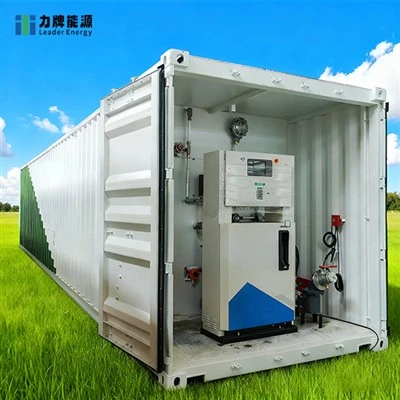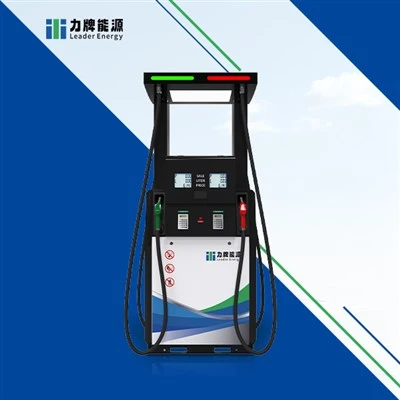


As a supplier of fuel pump equipment, I often get asked a lot of questions from customers. One of the most common ones is whether fuel pump equipment can be damaged by air in the fuel line. Let's dive into this topic and find out what's really going on.
First off, let's understand how a fuel pump works. A fuel pump is responsible for getting fuel from the tank to the engine. It creates pressure to push the fuel through the fuel lines. When everything is working right, the fuel lines are filled with fuel, and the pump can do its job smoothly.
But what happens when there's air in the fuel line? Well, air is a lot less dense than fuel. When the fuel pump tries to pump a mixture of air and fuel, it has to work harder. The pump is designed to handle a certain consistency of fluid, and air throws that off.
One of the main problems with air in the fuel line is cavitation. Cavitation occurs when the pressure in the fuel line drops low enough that the fuel vaporizes, forming bubbles. When these bubbles collapse, they create shockwaves. These shockwaves can damage the internal components of the fuel pump, like the impellers and the housing. Over time, this damage can lead to reduced performance and even complete failure of the pump.
Another issue is that air can cause the fuel pump to overheat. Since air doesn't transfer heat as well as fuel, the pump can't cool itself properly. This can lead to premature wear and tear on the pump's motor and other parts. If the pump overheats too much, it can break down, leaving you with a non - functioning fuel pump.
Let's talk about some real - world scenarios where air might get into the fuel line. One common situation is during maintenance. If the fuel system is opened up for repairs or to replace a part, air can easily get in. Also, if there's a leak in the fuel line, air can seep in. Even a small crack in the line can allow air to enter, causing problems for the fuel pump.
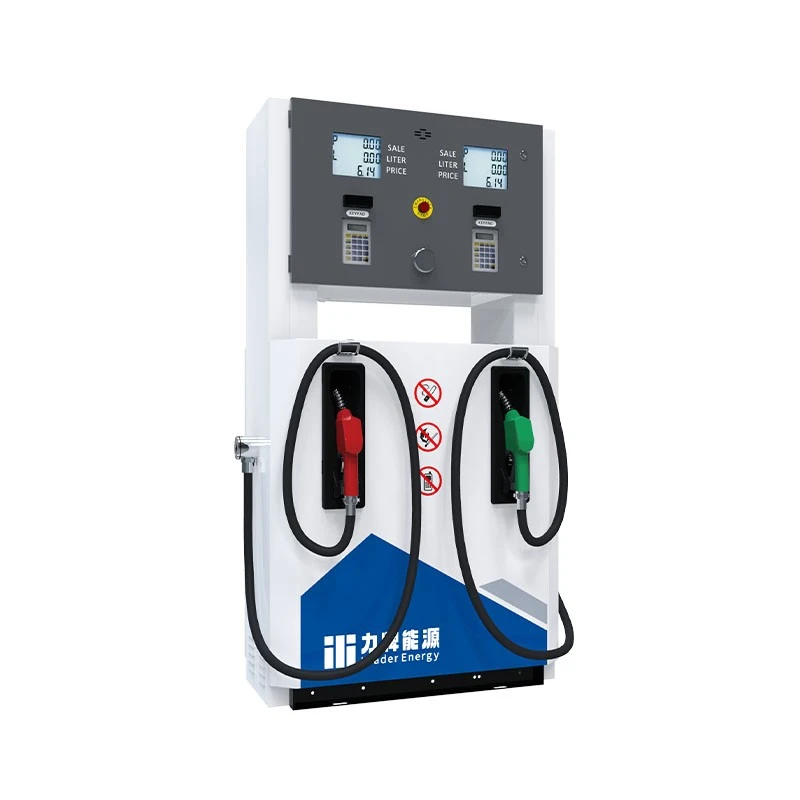
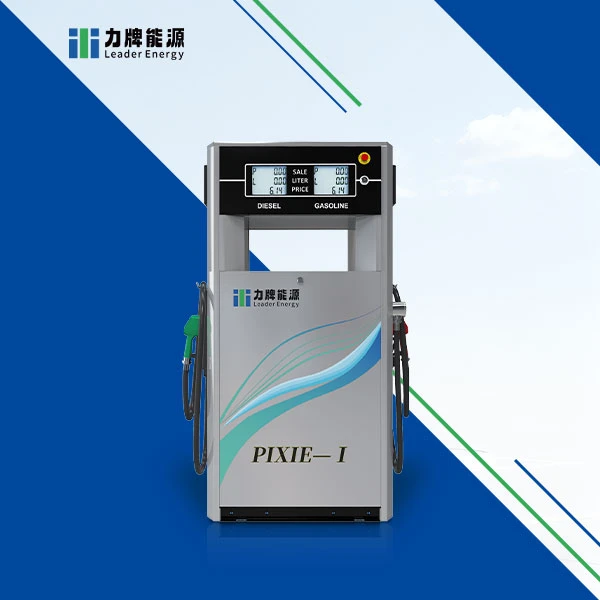
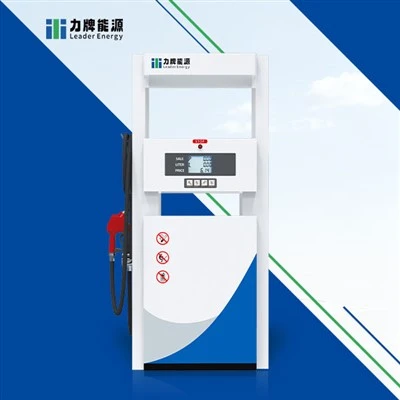
Now, let's look at the types of fuel pump equipment we offer. We have a great selection of Digital Fuel Pump. These pumps are highly accurate and efficient, but they're also sensitive to air in the fuel line. The digital components need a consistent flow of fuel to work properly, and air can disrupt that.
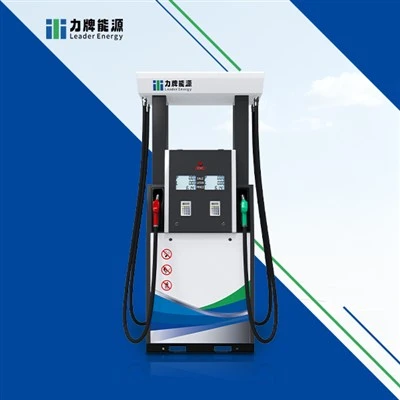
Our Fuel Oil Dispenser is another popular product. It's designed to handle different types of fuel oil, but air in the line can still cause issues. The dispenser relies on a smooth flow of fuel to accurately measure and dispense the right amount. Air bubbles can make the measurements inaccurate and put extra stress on the pump.
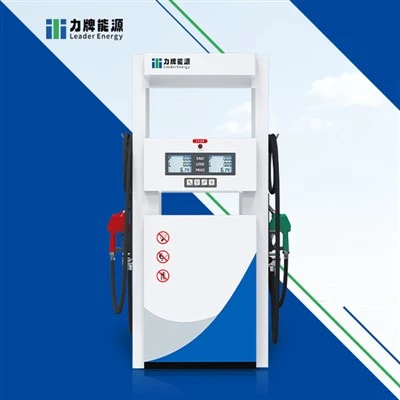
The Filling Station Petrol Pump is a workhorse in the fuel industry. It has to pump large volumes of petrol quickly and accurately. Air in the fuel line can slow down the pumping process and cause problems with the flow rate. This can lead to longer wait times for customers and potential revenue loss for the filling station.
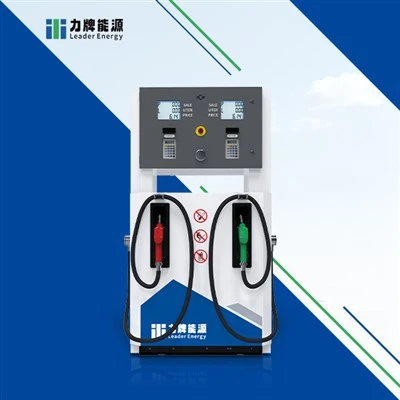
Our Gas Station Fuel Pump and Gas Petrol Pump are also vulnerable to air in the fuel line. These pumps are used in high - traffic areas, and any downtime can be costly. Air can cause the pumps to malfunction, leading to disruptions in service.
So, how can you prevent air from getting into the fuel line? Regular maintenance is key. Check the fuel lines for any signs of damage or leaks. Make sure all connections are tight. When doing maintenance, be careful to bleed the air out of the system properly.
If you do suspect that there's air in the fuel line, it's important to address the issue as soon as possible. You can try bleeding the fuel system to remove the air. If the problem persists, it might be a sign of a more serious issue, like a damaged fuel line or a faulty pump.
In conclusion, air in the fuel line can definitely damage fuel pump equipment. It can cause cavitation, overheating, and reduced performance. As a supplier, we want to make sure our customers are aware of these risks and know how to prevent them.
If you're in the market for high - quality fuel pump equipment, we're here to help. Our products are designed to be reliable and efficient, but proper maintenance is still crucial. Whether you're running a filling station, a gas station, or just need a fuel pump for personal use, we have the right solution for you. Contact us to start a discussion about your fuel pump needs and let's find the best equipment for you.
References
- Automotive Fuel Systems Handbook
- Fuel Pump Manufacturer's Manuals