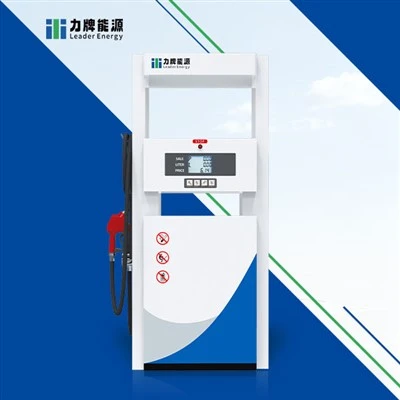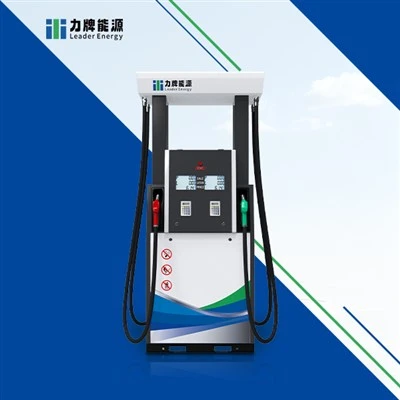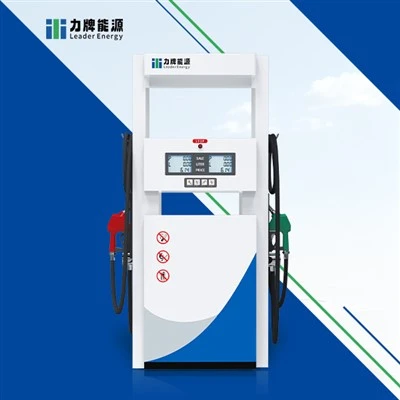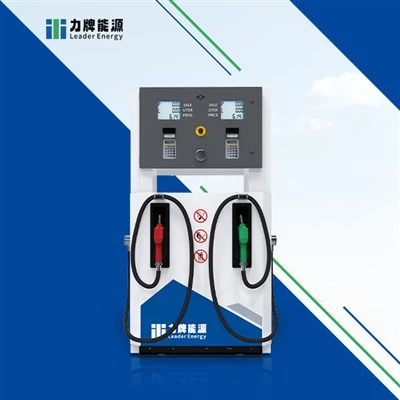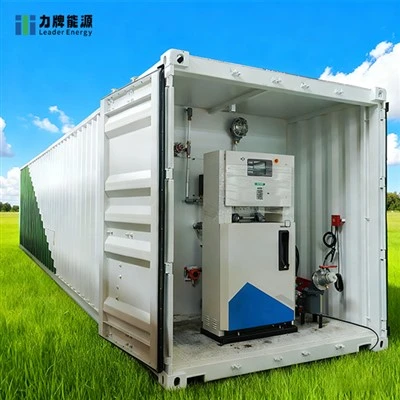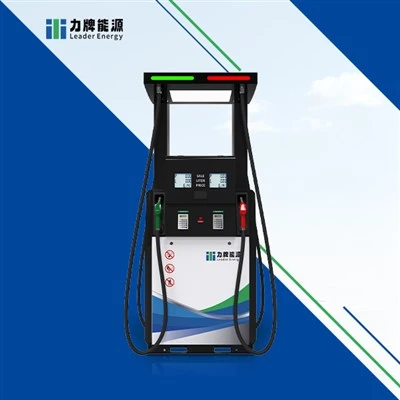


As a commercial fuel pump supplier, I understand the importance of proper transportation for these valuable and often delicate pieces of equipment. Whether you're moving a single pump to a local filling station or shipping a large batch overseas, the process requires careful planning and execution to ensure the pumps arrive in perfect working condition. In this blog post, I'll share some key considerations and best practices for transporting commercial fuel pumps, drawing on my experience in the industry.
Pre - transport Preparation
Before any movement takes place, a thorough inspection of the fuel pumps is essential. Check for any visible damage, loose parts, or signs of wear. Any existing issues should be documented, and if necessary, repairs should be carried out. This not only helps in ensuring the pump's functionality but also serves as a record in case of any disputes during transportation.
Next, it's crucial to clean the fuel pumps. Remove any dirt, debris, or residual fuel. This step is not only for aesthetics but also for safety reasons. Cleaning reduces the risk of fire hazards during transportation and can prevent contamination of the pump's internal components.
Proper packaging is one of the most important aspects of pre - transport preparation. Commercial fuel pumps should be packed in sturdy, custom - made crates or boxes. These containers need to be designed to withstand the rigors of transportation, including shocks, vibrations, and impacts. Use shock - absorbing materials such as foam, bubble wrap, or packing peanuts to cushion the pump. Secure the pump inside the container to prevent it from shifting during transit.
Choosing the Right Transportation Method
The choice of transportation method depends on several factors, including the distance, the quantity of fuel pumps, and the urgency of delivery.
Road Transport
For short - to medium - distance deliveries, road transport is often the most practical option. Trucks offer a high degree of flexibility, allowing for direct delivery to the destination. When choosing a trucking company, look for one with experience in transporting heavy and valuable equipment. Ensure that the truck is equipped with proper tie - down straps and shock - absorbing systems to protect the fuel pumps during transit.
Rail Transport
Rail transport can be a cost - effective option for long - distance transportation. Trains can carry a large volume of fuel pumps at once, and they are generally more stable than trucks on long hauls. However, rail transport may require additional handling at transfer points, which increases the risk of damage. Make sure to work with a reliable freight forwarder who can organize the loading and unloading processes to minimize the risk of accidents.
Air Transport
When speed is of the essence, air transport is the best choice. Airfreight is significantly faster than road or rail transport, but it is also more expensive. Commercial fuel pumps can be shipped by air, but they need to comply with strict aviation regulations regarding hazardous materials. Since fuel pumps may contain residual fuel or other flammable substances, it's essential to work with an experienced air cargo agent who can handle the necessary paperwork and ensure compliance.
Sea Transport
For international shipments, sea transport is often the most economical option. Fuel pumps can be shipped in containers, which provide protection from the elements and the rough conditions of the sea. However, sea transport has a longer transit time compared to air transport. When shipping by sea, it's important to choose a reputable shipping line and ensure that the container is properly sealed and secured to prevent water damage.
Safety Considerations
Safety should be the top priority when transporting commercial fuel pumps. As these pumps are often associated with flammable substances, there are strict regulations that need to be followed.
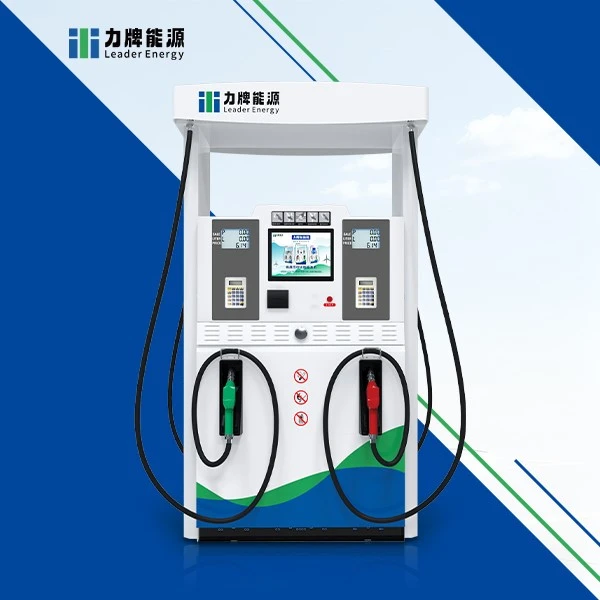
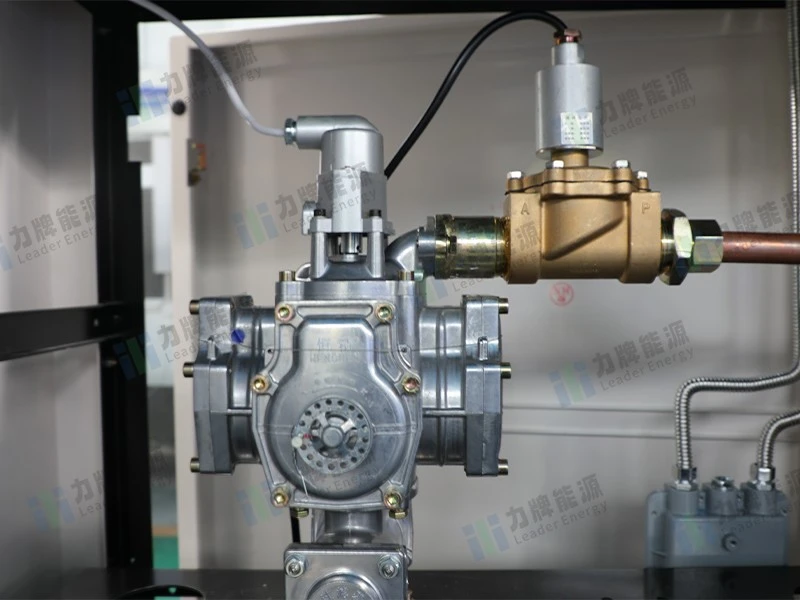
- Hazardous Materials Regulations: Familiarize yourself with the local and international regulations regarding the transportation of hazardous materials. This includes proper labeling, documentation, and handling procedures. For example, fuel pumps with residual fuel may be classified as hazardous goods, and they need to be marked accordingly.
- Driver and Crew Training: If you're using road transport, ensure that the drivers are trained in handling and transporting fuel pumps safely. They should know how to secure the pumps properly, how to respond to emergencies, and how to follow safety protocols.
- Insurance: Obtain comprehensive insurance coverage for the fuel pumps during transportation. This will protect you from financial losses in case of damage, theft, or other unforeseen events.
Tracking and Monitoring
Once the fuel pumps are in transit, it's important to track and monitor their progress. Most modern transportation companies offer tracking services that allow you to see the location of your shipment in real - time. This helps you stay informed about the estimated time of arrival and gives you the opportunity to address any potential issues promptly.
In addition to location tracking, you can also consider using monitoring devices that measure factors such as temperature, humidity, and shock. These devices can provide valuable information about the conditions that the fuel pumps are exposed to during transit. If any of the parameters fall outside the acceptable range, you can take appropriate action.
Unloading and Installation
When the fuel pumps arrive at their destination, proper unloading and installation procedures are crucial. Trained technicians should be responsible for unpacking the pumps and inspecting them for any damage that may have occurred during transit. If any issues are found, they should be documented and addressed immediately.
The installation of commercial fuel pumps should be carried out in accordance with the manufacturer's instructions and local regulations. This includes proper grounding, connection to the fuel storage system, and calibration of the pump to ensure accurate fuel dispensing.
Conclusion
Transporting commercial fuel pumps is a complex process that requires careful planning, attention to detail, and strict adherence to safety regulations. As a supplier, it's our responsibility to ensure that the pumps are delivered to our customers in perfect condition. By following the best practices outlined in this blog post, you can minimize the risk of damage during transportation and ensure a smooth and successful delivery.
If you're in the market for high - quality commercial fuel pumps, we offer a wide range of products, including Self Service Fuel Dispenser, Filling Station Petrol Pump, Diesel Fuel Dispenser, Fuel Oil Dispenser, and Gas Station Fuel Pump. If you have any questions or would like to discuss a potential purchase, please don't hesitate to reach out. We're here to help you with all your fuel pump needs.
References
- "Transportation of Hazardous Goods Guidelines," International Maritime Organization.
- "Federal Motor Carrier Safety Regulations for Hazardous Materials," US Department of Transportation.
- "Aviation Safety Regulations for Cargo Transport," International Civil Aviation Organization.