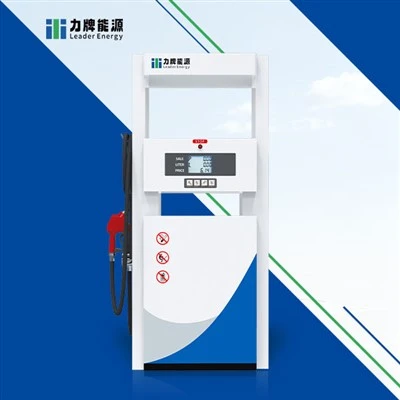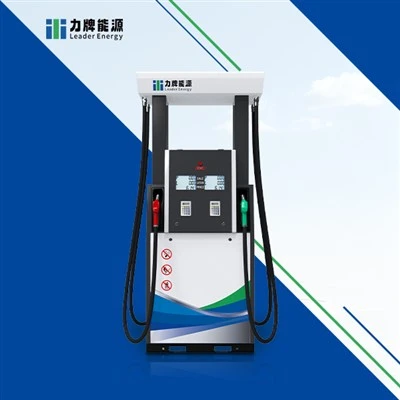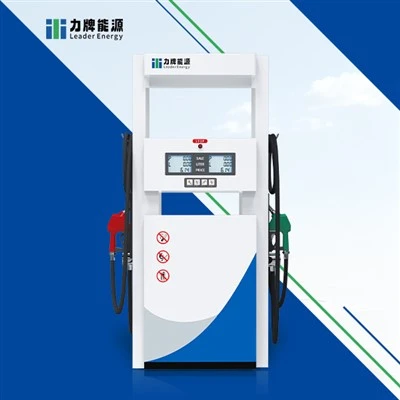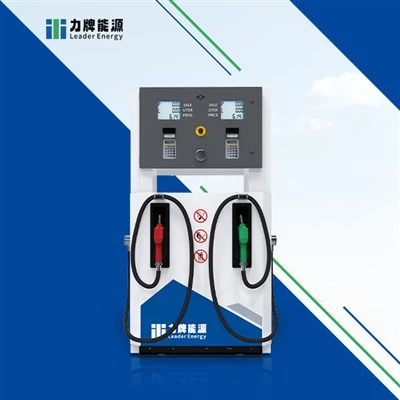


In the dynamic landscape of the energy industry, the demand for flexible and efficient fueling solutions has given rise to the prominence of mini fuel stations. As a dedicated supplier of these innovative fueling units, I've witnessed firsthand the transformative impact they have on various sectors. In this blog post, I'll delve into the capacity of a mini fuel station, exploring its capabilities, applications, and the benefits it offers to businesses and individuals alike.
Understanding the Basics of a Mini Fuel Station
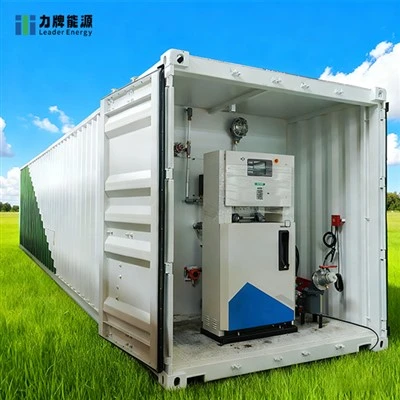
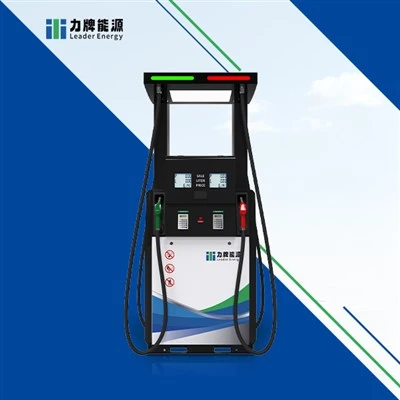
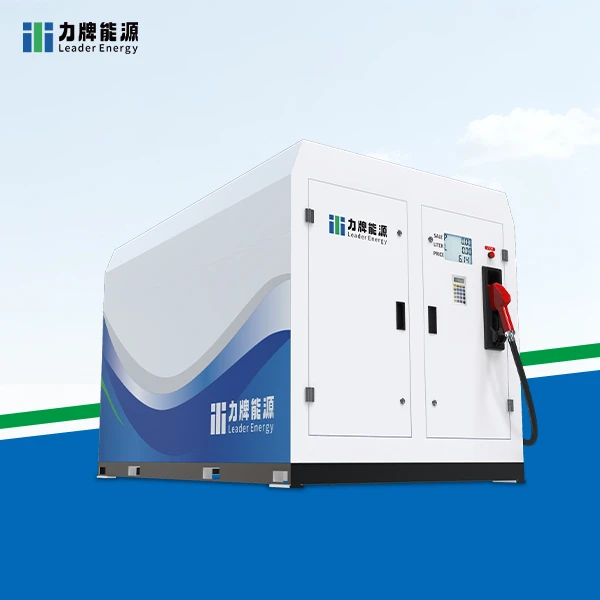
Before we dive into the capacity, it's essential to understand what a mini fuel station is. A mini fuel station is a compact, self - contained unit designed to store and dispense fuel. These stations come in various forms, including Mobile Gas Station, Mini Portable Gas Station, and Mini Skid Fuel Station. They are engineered to provide a convenient and cost - effective alternative to traditional large - scale fueling facilities.
Capacity in Terms of Fuel Storage
One of the primary aspects of a mini fuel station's capacity is its fuel storage volume. Mini fuel stations can have a wide range of storage capacities, typically ranging from a few hundred liters to several thousand liters. The choice of storage capacity depends on several factors, such as the intended use, the frequency of refueling, and the size of the customer base.
For small - scale operations, like a local workshop or a small fleet of vehicles, a mini fuel station with a storage capacity of 500 - 1000 liters might be sufficient. These stations are compact and can be easily installed in limited spaces. They are ideal for businesses that have a relatively low fuel consumption rate and do not require large - scale fuel storage.
On the other hand, for larger operations such as construction sites or medium - sized transportation fleets, a mini fuel station with a capacity of 2000 - 5000 liters or more could be more appropriate. These stations can store a significant amount of fuel, reducing the need for frequent refills and ensuring a continuous supply of fuel for the equipment and vehicles.
Dispensing Capacity
Another crucial aspect of a mini fuel station's capacity is its dispensing rate. The dispensing capacity determines how quickly the fuel can be transferred from the storage tank to the vehicle or equipment. This is measured in liters per minute (LPM).
Most mini fuel stations have a dispensing rate ranging from 20 - 50 LPM. A higher dispensing rate is beneficial in situations where multiple vehicles or equipment need to be refueled quickly. For example, at a busy construction site where time is of the essence, a mini fuel station with a high dispensing rate can significantly improve efficiency by reducing the refueling time.

However, it's important to note that the dispensing rate can be affected by various factors, such as the type of fuel being dispensed, the viscosity of the fuel, and the condition of the dispensing equipment. Regular maintenance of the dispensing system is essential to ensure optimal performance and a consistent dispensing rate.
Power and Operational Capacity
Mini fuel stations also have a power capacity, which is related to the energy required to operate the station. This includes the power needed for the fuel pumps, lighting, and any other electrical components. The power source can be either electricity or a diesel - powered generator, depending on the location and availability of power.
In areas with a stable electrical supply, an electrically - powered mini fuel station is a convenient option. It is generally more energy - efficient and requires less maintenance compared to a generator - powered station. However, in remote locations where electricity is not readily available, a diesel - powered generator can provide the necessary power to operate the station.
The operational capacity of a mini fuel station also includes its ability to function in different environmental conditions. Most modern mini fuel stations are designed to withstand a wide range of temperatures, humidity levels, and weather conditions. They are equipped with features such as insulation, heating systems (for cold climates), and ventilation (for hot climates) to ensure reliable operation.
Applications and the Impact of Capacity
The capacity of a mini fuel station directly influences its applications. In the transportation industry, for example, a mini fuel station with a sufficient storage and dispensing capacity can be set up at a depot to refuel a fleet of trucks or buses. This eliminates the need for the vehicles to travel to a traditional gas station, saving time and reducing operational costs.
In the agricultural sector, a mini fuel station can be used to refuel tractors, harvesters, and other farm equipment. A station with an appropriate storage capacity can ensure that the farm machinery has a continuous supply of fuel during the busy planting and harvesting seasons.
In the construction industry, mini fuel stations are invaluable. Construction sites often have a large number of vehicles and equipment that need to be refueled regularly. A mini fuel station with a high storage and dispensing capacity can keep the construction equipment running smoothly, minimizing downtime due to fuel shortages.
Benefits of Choosing the Right Capacity
Selecting the right capacity for a mini fuel station offers several benefits. Firstly, it ensures cost - effectiveness. By choosing a storage capacity that matches the actual fuel consumption, businesses can avoid over - investing in a larger station than necessary. This reduces the initial investment cost and also lowers the operating costs associated with maintaining a larger station.
Secondly, the right capacity improves efficiency. A mini fuel station with an appropriate dispensing rate can refuel vehicles and equipment quickly, allowing them to get back to work faster. This leads to increased productivity and reduced downtime.
Finally, choosing the right capacity also enhances safety. A well - sized mini fuel station is easier to manage and maintain, reducing the risk of fuel spills and other safety hazards.
Guiding the Purchase Decision
If you're considering purchasing a mini fuel station, it's important to carefully assess your specific needs. Consider factors such as your fuel consumption rate, the number of vehicles or equipment to be refueled, the location of the station, and the environmental conditions.
As a supplier of mini fuel stations, I'm here to assist you in making the right choice. We offer a wide range of mini fuel stations with different storage, dispensing, and power capacities to meet your unique requirements. Whether you need a small - scale station for a local business or a large - capacity station for a major project, we can provide you with a customized solution.
If you're interested in learning more about our mini fuel stations or would like to discuss your specific needs, feel free to reach out. We're committed to providing high - quality products and excellent customer service to help you find the perfect mini fuel station for your business.
References
- "Fuel Dispensing Systems: Principles and Practices", John Smith, 2020
- "Mobile Fueling Solutions for the Modern Industry", Energy Journal, 2021
- "Mini Fuel Stations: A Comprehensive Guide", International Fueling Association, 2022