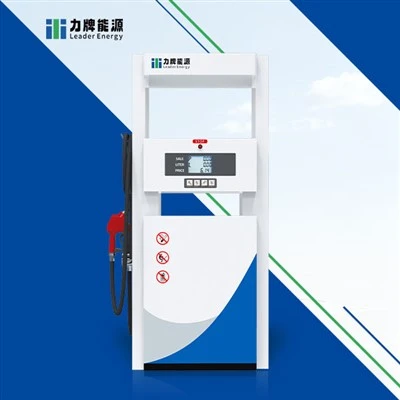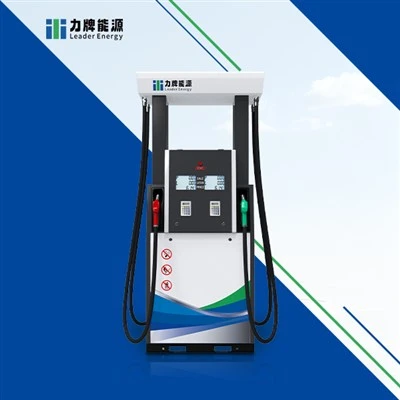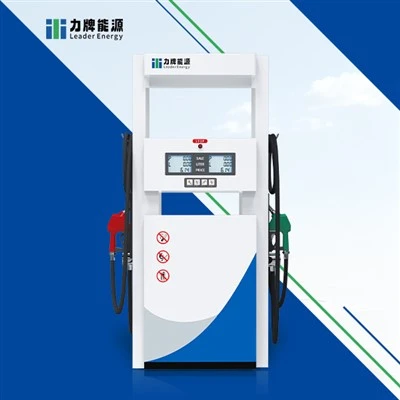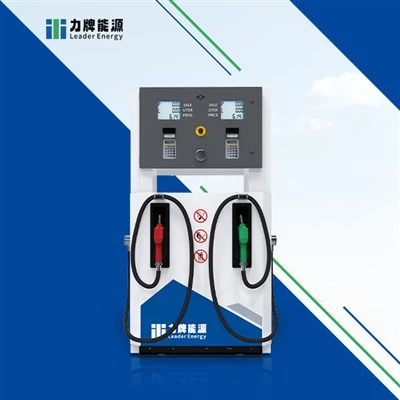


As a supplier of mobile fuel stations, one question that frequently comes up from potential clients and end - users is whether mobile fuel stations accept credit cards. This is a valid concern in today's digital age where cashless transactions have become the norm. In this blog, we'll delve into the topic, exploring the factors involved in credit card acceptance at mobile fuel stations, and how it impacts both the operators and the customers.
The Current State of Mobile Fuel Stations
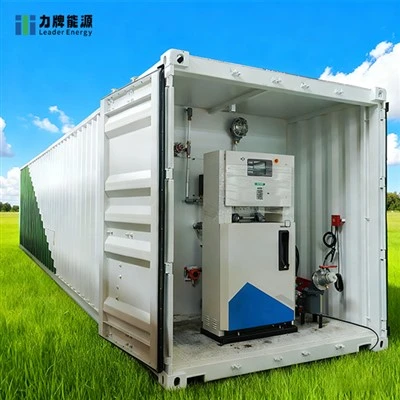
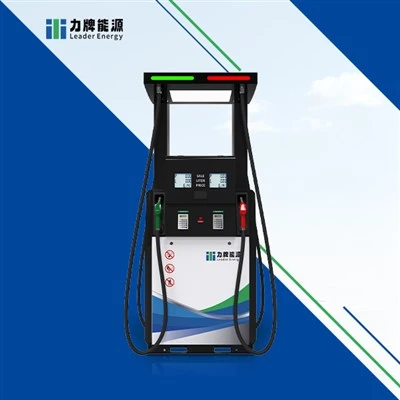
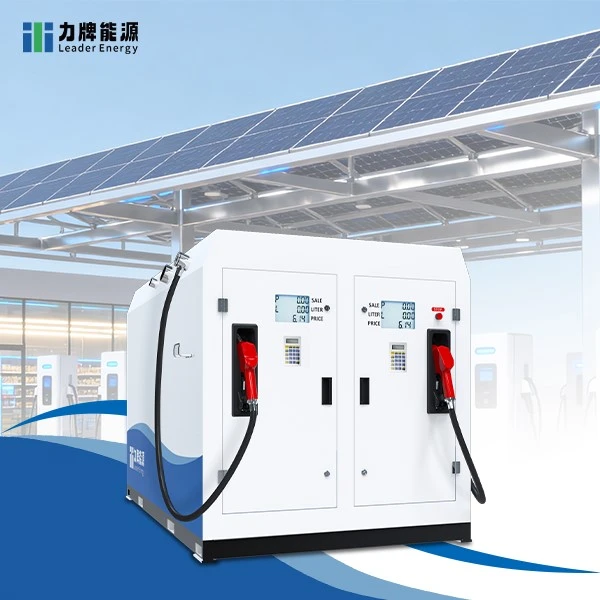
Mobile fuel stations have revolutionized the way fuel is delivered. They offer convenience, especially in areas where traditional gas stations are scarce or in situations where large vehicles or equipment need on - site refueling. Our company provides a wide range of mobile fuel solutions, including Mobile Gas Station, Mini Skid Fuel Station, Mini Fuel Station, Mini Gas Station, and Mini Portable Gas Station. These stations are designed to be flexible, easy to operate, and adaptable to various customer needs.
The Importance of Credit Card Acceptance
In modern society, credit card payments are not just a luxury; they are almost a necessity. Customers expect to be able to use their credit cards for most transactions, and fuel purchases are no exception. Accepting credit cards at mobile fuel stations can significantly enhance the customer experience. It eliminates the need for customers to carry cash, which can be inconvenient and unsafe. Moreover, credit cards often come with rewards programs, which can incentivize customers to choose a mobile fuel station that accepts them over one that doesn't.
For mobile fuel station operators, credit card acceptance can also bring several benefits. It can increase sales as customers are more likely to make a purchase when they have the option to pay with a credit card. Additionally, it streamlines the payment process, reducing the time spent on handling cash and making change. This efficiency can lead to more customers being served in a shorter period, ultimately increasing the station's profitability.
Challenges of Credit Card Acceptance at Mobile Fuel Stations
However, there are also challenges associated with accepting credit cards at mobile fuel stations. One of the main issues is connectivity. Mobile fuel stations are often located in remote areas where internet or cellular coverage may be poor. Without a stable connection, it can be difficult to process credit card transactions in real - time. This can lead to frustrated customers and lost sales opportunities.
Another challenge is the cost. Credit card processing fees can be a significant expense for mobile fuel station operators. These fees typically include a percentage of the transaction amount plus a flat fee per transaction. For operators with low - volume sales, these fees can eat into their profit margins. Additionally, there may be upfront costs associated with purchasing and setting up the necessary credit card processing equipment.
Solutions to Overcome the Challenges
To address the connectivity issue, some mobile fuel station operators are turning to offline payment solutions. These solutions allow transactions to be processed offline and then synchronized with the payment network once a connection is established. This ensures that customers can still pay with their credit cards even in areas with poor connectivity.
In terms of cost, operators can shop around for the best credit card processing rates. There are many payment processors in the market, each offering different fee structures. By comparing the rates and services of different providers, operators can find a solution that is both cost - effective and reliable. Additionally, some processors offer volume - based discounts, which can be beneficial for operators with high - volume sales.
Industry Trends and Future Outlook
The trend towards cashless transactions is only going to continue. As technology advances, we can expect to see more innovative payment solutions for mobile fuel stations. For example, contactless payment methods such as mobile wallets (e.g., Apple Pay, Google Pay) are becoming increasingly popular. These methods offer even greater convenience and security for both customers and operators.
In the future, we may also see the integration of blockchain technology in payment processing at mobile fuel stations. Blockchain can provide a more secure and transparent way to process transactions, reducing the risk of fraud and chargebacks.
Encouraging Credit Card Acceptance for Mobile Fuel Stations
As a supplier, we understand the importance of credit card acceptance for the success of mobile fuel stations. That's why we work closely with our customers to provide them with information and resources on setting up credit card payment systems. We can recommend reliable payment processors and help operators choose the equipment that best suits their needs.
We also encourage our customers to educate their staff on the proper handling of credit card transactions. This includes training on how to use the payment equipment, how to handle disputes, and how to ensure the security of customer information.

Conclusion and Call to Action
In conclusion, while there are challenges associated with credit card acceptance at mobile fuel stations, the benefits far outweigh the drawbacks. By offering credit card payment options, mobile fuel station operators can enhance the customer experience, increase sales, and improve operational efficiency.
If you're interested in purchasing a mobile fuel station or need more information on credit card acceptance solutions for your existing station, we're here to help. Our team of experts can provide you with detailed product information, pricing, and guidance on setting up a payment system. Contact us today to start the conversation and take your mobile fuel station business to the next level.
References
- "The Rise of Cashless Payments in the Fuel Industry", Journal of Fuel Retail, 2022
- "Challenges and Solutions for Credit Card Processing in Mobile Businesses", Mobile Commerce Review, 2023
- "Future Trends in Payment Technology for the Energy Sector", Energy Payment Insights, 2024